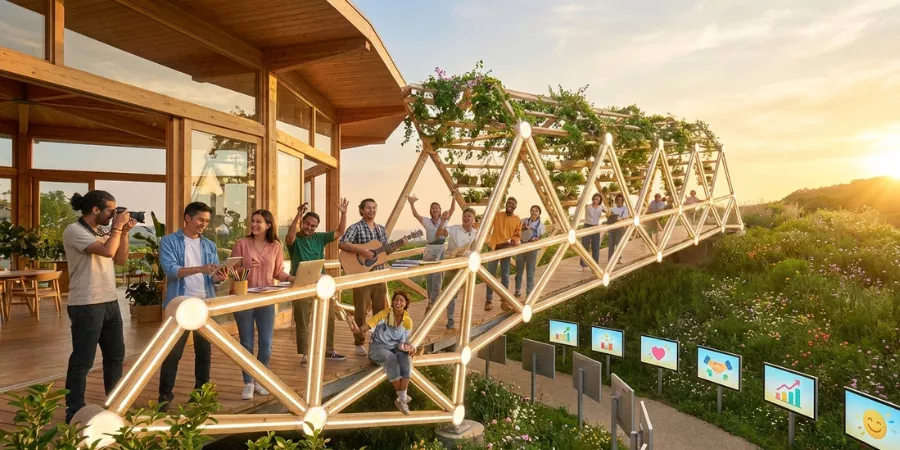
In the competitive sphere of digital transformation, business leaders are increasingly scrutinised for how they translate technology into tangible engagement. For a chief information officer or a senior marketing director, the platform chosen to host a global digital event is no longer just a technical detail; it is a strategic asset. As we navigate the complex landscape of 2025, the demand for sophisticated, secure, and data-rich digital interactions has moved beyond simple video conferencing. High-performing organisations now require a robust infrastructure that can scale with their global ambitions while providing the analytical depth needed to drive executive decisions.
This shift is not merely about better video quality or more stable connections. It is about the fundamental move from passive broadcasting to active engagement. To maintain a competitive edge, businesses must provide an experience that is as immersive as it is informative. This requires a platform that does not just facilitate a meeting but builds a community, providing a seamless journey from the initial invitation to the final post-event analysis.
Strategic Engagement with ON24’s Webinar Platform
The move toward purpose-built enterprise solutions best exemplifies the transition from a basic communication tool to a comprehensive engagement engine. Organisations that prioritise long-term growth and high-fidelity data are increasingly turning to ON24’s webinar platform to anchor their digital experience strategies. This specific technology allows for a level of customisation and interactivity that standard meeting applications simply cannot replicate.
One of the defining features of a professional-grade solution is the ability to create a fully branded, immersive environment. When a global brand hosts a product launch or a leadership summit, every pixel on the screen must reflect the organisation’s identity. Modern platforms allow for complete control over the webinar console, enabling marketers to embed interactive widgets, live polls, and resource hubs directly into the viewing experience. This level of branding is not just about aesthetics; it is about building trust and maintaining professional integrity at every touchpoint.
Furthermore, the interactivity provided by these tools is a goldmine for first-party data. Unlike traditional events where attendance is the only measurable metric, a dedicated platform tracks every click, question, and download. This granular insight allows for a precise understanding of attendee intent, providing sales teams with hot leads based on actual engagement rather than simple participation. By integrating these insights directly into a CRM, organisations can ensure that their follow-up is timely, relevant, and highly personalised.
Driving ROI through Analytical Depth
In the current economic climate, the ability to demonstrate clear return on investment (ROI) is paramount for any technology spend. Digital events offer a unique advantage here, as they provide a direct line from engagement to revenue. According to recent industry benchmarks, webinars produce the best results of any content distribution channel, with over half of B2B marketers citing them as their most effective tool for generating high-quality leads.
The analytical dashboards provided by enterprise-level hosting software allow executives to see beyond the surface level. They can track engagement scores across thousands of attendees, identifying which content resonated most and which segments of the audience are most likely to convert. This data-driven approach allows for the continuous refinement of the marketing strategy, ensuring that every event is more effective than the last.
To truly maximise the value of these events, it is essential to look at the entire lifecycle of the content. A live session should not be a one-time occurrence; it should be the starting point for an always-on content strategy. High-quality recordings can be hosted in dedicated on-demand hubs, allowing global audiences to access the material at their own convenience. This approach significantly extends the shelf life of the content, providing a continuous stream of leads long after the live broadcast has ended.
Security and Compliance in the Global Enterprise
As the scale of digital events grows, so does the responsibility to protect attendee data and proprietary company information. For organisations in highly regulated sectors such as finance, healthcare, or technology, security is a non-negotiable requirement. Relying on consumer-grade software for high-stakes corporate communication is a risk that few CIOs are willing to take.
A professional hosting platform must provide a secure, compliant environment that meets the highest international standards. This includes:
- SAML Single Sign-On (SSO):Ensuring that only authorised internal staff can manage and broadcast events, protecting the organisation from unauthorised access.
- Data Encryption and Privacy:Adhering to global regulations such as GDPR and SOC2, which is critical for maintaining trust with a global audience.
- Granular Access Controls:Allowing organisers to restrict access to specific sessions or resources, ensuring that sensitive information is only viewed by the intended recipients.
By investing in a secure infrastructure, businesses can focus on delivering world-class content without the looming threat of technical vulnerabilities or data breaches. This commitment to security is a hallmark of corporate maturity, showing both clients and partners that the organisation handles their information with the utmost professional care.
Future-Proofing the Digital Experience
The evolution of the digital event is a testament to the power of human connection in the technology age. As we look toward the future, the most successful brands will be those that continue to innovate, prioritise their audience’s needs, and leverage the best technology available. Building a resilient digital strategy requires a commitment to excellence at every stage, from the initial planning and speaker preparation to the technical execution and post-event analysis.
The era of passive broadcasting has officially ended. The future belongs to those who embrace strategic engagement and use it to build lasting, trust-based relationships with their global audience. By consistently delivering value and fostering meaningful interaction, you can turn your virtual events into a cornerstone of your business growth.